

How to Repair a Boat Trailer: 7 DIY Fixes That Keep You Safe
Boat trailer repair can mean anything from bad lights to rotten bunks and rusty hardware. We'll show you how to inspect, repair, and restore the trailer parts that fail most often: bunks, bearings, lights, tires, the winch, rust spots, and safety hardware. If your trailer has deep rust, cracked welds, or brake failure, stop and use a professional.
You'll also learn how to replace boat trailer bunks. The seven repairs below cover bunk boards and carpet, wheel bearings, trailer wiring, tires, the winch, rust and frame damage plus brakes and safety hardware. Start with the inspection checklist so you can decide which repairs are reasonable DIY jobs and which problems need professional work.
Also Read:
Boat Trailer Repair Checklist Before You Start
-
Check the frame for rust, cracks, and weak welds.
-
Check bunk boards, carpet, brackets, and mounting bolts.
-
Spin each wheel and listen for noisy bearings.
-
Test trailer lights, the ground wire, and the plug connection.
-
Check tire pressure, tread, and dry rot.
-
Inspect the winch strap, coupler, tongue jack, and safety chains.
-
If your trailer has brakes, inspect brake pads, brake lines, and brake fluid.
Should You Repair, Rebuild or Replace Your Boat Trailer?
Repair the trailer when the frame is solid and the problem is limited to replaceable parts such as bunks, carpet, wiring, bearings, tires or the winch.
A rebuild makes more sense when several of those parts are worn at the same time but the frame is still straight and structurally sound.
Stop using the trailer and have it inspected when you find major frame rust, cracks, bent structural sections, failed welds or serious brake problems. Those issues go beyond the DIY repairs covered here.

1. Repairing or Replacing Boat Trailer Bunks and Carpet
Start by checking the bunk carpet, bunk boards, brackets and mounting hardware. If the board is still solid but the carpet is worn, loose or damaged, replacing the carpet may be enough. If the board is soft, rotten, cracked or badly warped, replace the board instead of covering the problem with new carpet. Check the brackets and mounting bolts before reinstalling the bunks so the repair addresses the full support system.
- Materials Needed: Replacement bunk carpet, bunk boards, staples or marine-grade adhesive, saw (if cutting new boards), and a staple gun.
- Steps:
- Remove the boat from the trailer and secure the trailer.
- Remove the old carpet and staples from the bunk boards.
- Measure and cut the replacement carpet, allowing extra for wrapping.
- If replacing boards, cut them to size, mirroring the old ones.
- Attach the new carpet to the boards using staples or adhesive, ensuring it's tight and wrinkle-free.
- Reattach the boards to the trailer, ensuring they're aligned and secure.
Need parts for this repair? Shop Cuda Bunk Carpet, Marine Grade Bunk Boards, and FOREVER Composite Bunk Boards if your old bunks are worn, rotten, or rough on the hull.
Read:
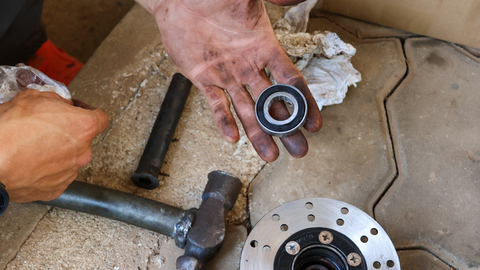
2. Servicing Wheel Bearings
Wheel bearings are vital for the smooth operation of your trailer. Neglecting them can lead to failures on the road.
- Materials Needed: Bearing grease, new bearings and seals (if necessary), and basic hand tools.
- Steps:
- Jack up the trailer and secure it on stands.
- Remove the wheel, hub cap, and cotter pin to access the bearings.
- Clean the bearings with solvent and inspect for wear or damage. Replace if needed.
- Pack the bearings with fresh grease and reassemble, ensuring everything is tight and secure.
Read: Maintaining Boat Trailer Wheel Bearings

3. Fixing Lighting and Electrical Issues
Proper lighting is mandatory for safety and legal compliance. Troubleshooting and fixing lighting issues is often simpler than expected.
- Materials Needed: Multimeter, replacement bulbs, and wiring supplies.
- Steps:
- Inspect all lights for damage and replace bulbs as needed.
- Use a multimeter to check for electrical continuity. Look for breaks or shorts in the wiring.
- Repair or replace damaged wiring, ensuring all connections are waterproof.
- Test all lights again before hitting the road.
Read: Fix Bad Boat and Utility Trailer Light Wiring
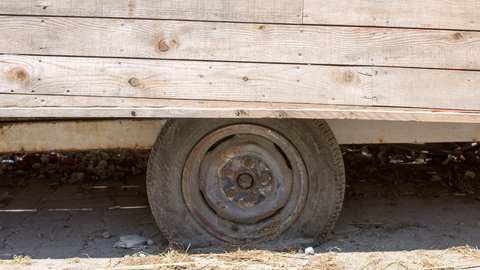
4. Repairing or Replacing Tires
Tires in poor condition can be a safety hazard. Regular inspection and maintenance can prevent blowouts and accidents.
- Materials Needed: Jack, lug wrench, pressure gauge, replacement tires if necessary.
- Steps:
- Regularly check tire pressure and adjust to the manufacturer's recommendation.
- Inspect tires for tread wear, cracks, or damage. Replace if compromised.
- Rotate tires periodically to ensure even wear.
- When replacing, ensure the tire is rated for the load and speed of your trailer.
Read: How To Replace Boat Trailer Tires
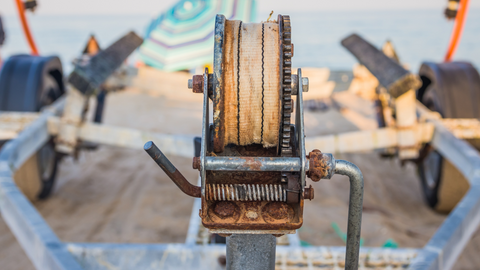
5. Adjusting or Replacing the Winch
The winch is essential for loading and unloading your boat. Ensuring it's in good working order is key to a smooth operation.
- Materials Needed: Replacement winch (if necessary), lubricant, basic tools.
- Steps:
- Inspect the winch for rust, damage, or wear. Lubricate moving parts regularly.
- If the winch strap shows signs of wear or fraying, replace it immediately.
- For replacement, choose a winch rated for your boat's weight. Follow the manufacturer's instructions for installation.
Read: Upgrade Your Boat Trailer Winch

6. Repairing Rust and Frame Damage
Surface rust is common on older trailers, but deep rust can make a trailer unsafe. Use a wire brush to remove loose rust, sand the area, apply a rust-stopping primer, and repaint exposed metal. If you find cracked welds, holes, or soft metal, stop towing and have a professional repair the frame.
7. Checking Brakes, Coupler, and Safety Chains
Do not skip these parts. Bad trailer brakes, a worn coupler, or damaged safety chains can cause a roadside failure fast. Test the brakes, inspect the coupler latch, grease moving parts, and replace worn chains, pins, locks, or breakaway parts right away.
Boat Trailer Repair and Restoration Next Steps
DIY boat trailer repairs can save you from replacing parts that still have useful life. After the repair, inspect the surrounding hardware and support points so the same problem does not return.
Cuda Powersports offers bunk carpet and boards for trailer repairs where worn or damaged bunks are part of the problem.
For more repair and maintenance information, visit our blog.
Keep Reading
-
Boat Trailer Maintenance Checklist
-
Top Boat Trailer Upgrades
-
What Is the Best Material for Boat Trailer Bunks?
Frequently Asked Questions About Boat Trailer Repair
How do I fix boat trailer bunks?
To fix trailer bunks, remove the old carpet and check the wood for rot. Replace any soft wood with pressure-treated boards and wrap them in new marine-grade carpet using stainless steel staples.
How often should I service boat trailer bearings?
Check your trailer manufacturer's and bearing manufacturer's service guidance for the correct interval. Inspect bearings sooner if you notice noise, excess heat, looseness, water intrusion or damaged seals.
Can I repair a rusted boat trailer frame?
You can sand and paint small surface rust spots to stop them from spreading. However, if the rust has eaten holes through the metal frame, the trailer is unsafe and needs to be repaired by a professional welder.
Is boat trailer restoration worth it?
Yes, if the frame is still solid. A simple boat trailer restoration can include new bunks, carpet, bearings, lights, tires and winch parts for much less than the cost of a new trailer.
How do I repair rust on a boat trailer?
Scrape away loose rust, sand the metal, apply a rust-stopping primer and repaint it. If rust has made holes or weak spots in the frame, do not tow it until a professional repairs it.
When should I rebuild a boat trailer instead of repair it?
Rebuild your trailer when several key parts are worn at the same time, such as bunks, wiring, bearings, tires and winch parts. Replace the trailer if the frame has major rust, cracks or bent sections.